
Canada Mortgage and Housing Corporation’s newest construction report shows that the six-month trend in national housing starts declined 1.3% in August to a seasonally adjusted annual rate of 244,149 units.[1] The one-month national rate was almost unchanged at 229,046 units, compared with 229,360 in July.[1]
Those figures matter because today’s starts contribute to future housing supply. They do not, however, reveal whether a particular South Okanagan neighbourhood has become easier to buy into, whether resale prices are about to rise or fall, or how many suitable homes are available to one household today.
Released September 16, 2026: Canada’s six-month housing-start trend moved lower, actual starts were below August 2025, and B.C. retained a large pipeline of homes under construction.[1]
THE RELEASE
What CMHC reported
CMHC’s six-month trend is a moving average of the seasonally adjusted annual rate of housing starts across Canada. It declined from 247,446 units in July to 244,149 in August.[1] The agency uses this trend alongside the monthly annualized rate because multi-unit projects can make a single month swing sharply.
The monthly national rate was nearly flat: 229,046 units in August versus 229,360 in July.[1] This does not mean exactly 229,046 homes began construction during August. The measure adjusts the month for normal seasonal patterns and expresses that pace as an annual rate so different months can be compared.
The actual count tells a different but related story. In centres with populations of at least 10,000, 17,691 homes started in August, down 2% from 18,112 in August 2025. The year-to-date count through August was 149,542, down 4% from the same period in 2025.[1]
CMHC said the broader trend remained elevated compared with recent years but expected construction activity to moderate, especially later in the year. That is a national outlook, not a property-price forecast for Penticton, Summerland, Oliver, Osoyoos, Princeton, Keremeos or Hedley.[1]
B.C. PIPELINE
Construction underway is not immediate inventory
In B.C. centres with populations of 50,000 or more, 81,613 units were under construction in August, up 1.6% from 80,335 in July.[1] That figure measures work already underway, not homes available for immediate occupancy.
B.C. also had 40,252 permitted units awaiting a start, down 3.6% from July. CMHC defines this category as permitted units, excluding conversions, where construction activity has not yet been observed through its survey.[1] A permit is therefore a signal of possible future supply, not a guarantee that a completed home will arrive on a buyer’s preferred schedule.
Completions in those B.C. centres totalled 2,040 in August, down 33.2% from 3,052 in July.[1] One month can be uneven because a large apartment building finishing—or not finishing—can move the total substantially. It is safer to track the pipeline over several periods than to treat one completion count as a new provincial direction.
The published provincial table covers centres of 50,000 or more. It should not be relabelled as a Penticton or South Okanagan construction count. Local projects, tenure, unit type and completion timing need local evidence before anyone applies the provincial total to a purchase or sale decision.
READ THE MEASURE
Starts, completions and resale listings answer different questions
A housing start marks the beginning of construction. A unit under construction sits somewhere between that start and completion. A completion indicates that construction has reached CMHC’s completion threshold. An active resale listing is an existing property currently offered through the market. These measures connect to housing supply, but they are not interchangeable.
For a buyer searching now, the most relevant questions are immediate: Which homes can be purchased? Which projects are taking reservations or writing contracts? What is finished, what is still being built, and what is only proposed? When is occupancy expected, and what protections apply if timing changes?
For a seller, a high construction total does not automatically create direct competition. A future rental apartment, a new condominium, a detached subdivision phase and an existing rural home serve different needs. Competition should be evaluated by location, property type, price range, condition, ownership structure and expected availability.
For a homeowner, national starts do not determine the current value of an individual property. They can influence the long-run supply conversation, but a valuation still requires the closest relevant sales and active competition, with adjustments for the property itself.
Financially, what does this mean?
Across Canada and B.C., a sustained change in the supply pipeline can eventually affect competition, rents, resale demand and the pace of price growth—but not evenly and not immediately. The effect depends on where homes are completed, whether they are rentals or ownership units, what property types they add and whether they match what households can afford.
For an existing homeowner, this release does not create or erase equity. Equity is the current market value of the property minus the debt secured against it. Market value still comes from current local evidence, including comparable sales and competing homes—not from a national housing-start headline. A lender considering refinancing or home-equity borrowing will also apply its own appraisal, qualification and lending criteria.
For a buyer of a home still under construction, the larger financial exposure is often timing. A delayed completion can affect the usefulness of a rate hold, the timing of deposits and closing funds, the eventual appraisal and the need to requalify. Buyers should keep a financing buffer and reconfirm the plan with their lender or mortgage broker before removing subjects or approaching completion.
THE MIX
Multi-unit construction can move the headline
CMHC specifically cautions that the multi-unit segment can create considerable swings in monthly estimates.[1] A single building may represent dozens or hundreds of homes. If its recorded start moves from one month to another, the regional or national total can change even though conditions for a detached-home buyer barely changed.
This is one reason to read both the six-month trend and the monthly rate. The trend smooths some volatility. The monthly figure remains useful for identifying new movement, but it should not carry the whole interpretation.
In B.C. centres with populations of 10,000 or more, the six-month annualized trend was 3,522 single-detached starts and 33,100 starts for all other housing types, for a total of 36,622.[1] Multi-unit and other non-detached forms dominate that construction measure.
That mix can support more housing without producing the exact home every buyer seeks. A household needing a ground-oriented home, accessible layout, pet-friendly strata, workshop, suite, acreage or specific school area may still face a narrow shortlist even when the broad pipeline is large.
ACTION PLAN
Six questions for a new home or development
- What stage is the project at? Separate marketing, rezoning, development approval, building permit, construction start, substantial completion and occupancy.
- What exactly is included? Confirm parking, storage, appliances, outdoor areas, accessibility features, landscaping, warranties and upgrade allowances in writing.
- What can change before completion? Review the disclosure statement, plans, measurements, strata documents where available, estimated completion window and amendment rights with the appropriate legal professional.
- How will financing work at completion? A long completion period can outlast a rate hold or approval. Reconfirm qualification, appraisal requirements, deposit timing and closing costs.
- What is the ownership and operating structure? Confirm freehold, strata, leasehold, rental restrictions, short-term-rental rules, estimated strata fees and other recurring obligations.
- What evidence supports the timeline? Ask what is permitted, what has physically started and what remains subject to approvals, construction progress or third-party decisions.
RICO’S VIEW
Count the homes that fit the decision
Today’s release adds useful supply context, but the most responsible local interpretation is restrained. Canada’s six-month starts trend moved lower in August, while B.C. still had more than 81,000 units under construction in larger centres.[1] Both can be true because a pipeline can remain large while the pace of new starts changes.
For South Okanagan buyers, the practical question is not whether 244,149 is a “good” or “bad” number. It is whether an existing home or new project fits the household’s budget, timing, property needs and due-diligence standards. For sellers, the right comparison is the real choice visible to likely buyers—not every unit under construction across B.C.
Follow several releases before calling a trend, then bring the analysis back to the relevant community and property type. National and provincial construction data can frame the supply story. Current listings, project documents, completion evidence and comparable sales turn that story into a property decision.
Use the guided Matchmaker → to organize the communities, home types, budget and timing that matter to you. New-build and resale options should then be compared on the same practical requirements.
This article provides general real-estate information, not a forecast, valuation, mortgage, investment, legal, tax or development-status opinion. Construction data may be revised, and proposed or permitted units may not proceed on an expected schedule. Verify current project status, property facts, financing and professional-advice requirements for your circumstances.
EXPLORE MORE
Explore more local real-estate guidance
- Explore Penticton real estate — Compare current homes, property types, neighbourhood considerations and Rico’s local buying and selling guidance.
- Start the Real Estate Matchmaker — Organize the communities, budget, home type and practical priorities that fit your next move.
- See what 101 new student-housing beds could mean in Penticton — Learn which rental segments may be affected and why beds are not the same as private-market units.
- New-home price guide — Compare a broad construction measure with the price, incentives, deposits and timing of a specific new home.
Sources
- Canada Mortgage and Housing Corporation — Housing starts and construction data for August 2026
- Wikimedia Commons — Penticton from Munson Mountain Park, Kyle Pearce photograph

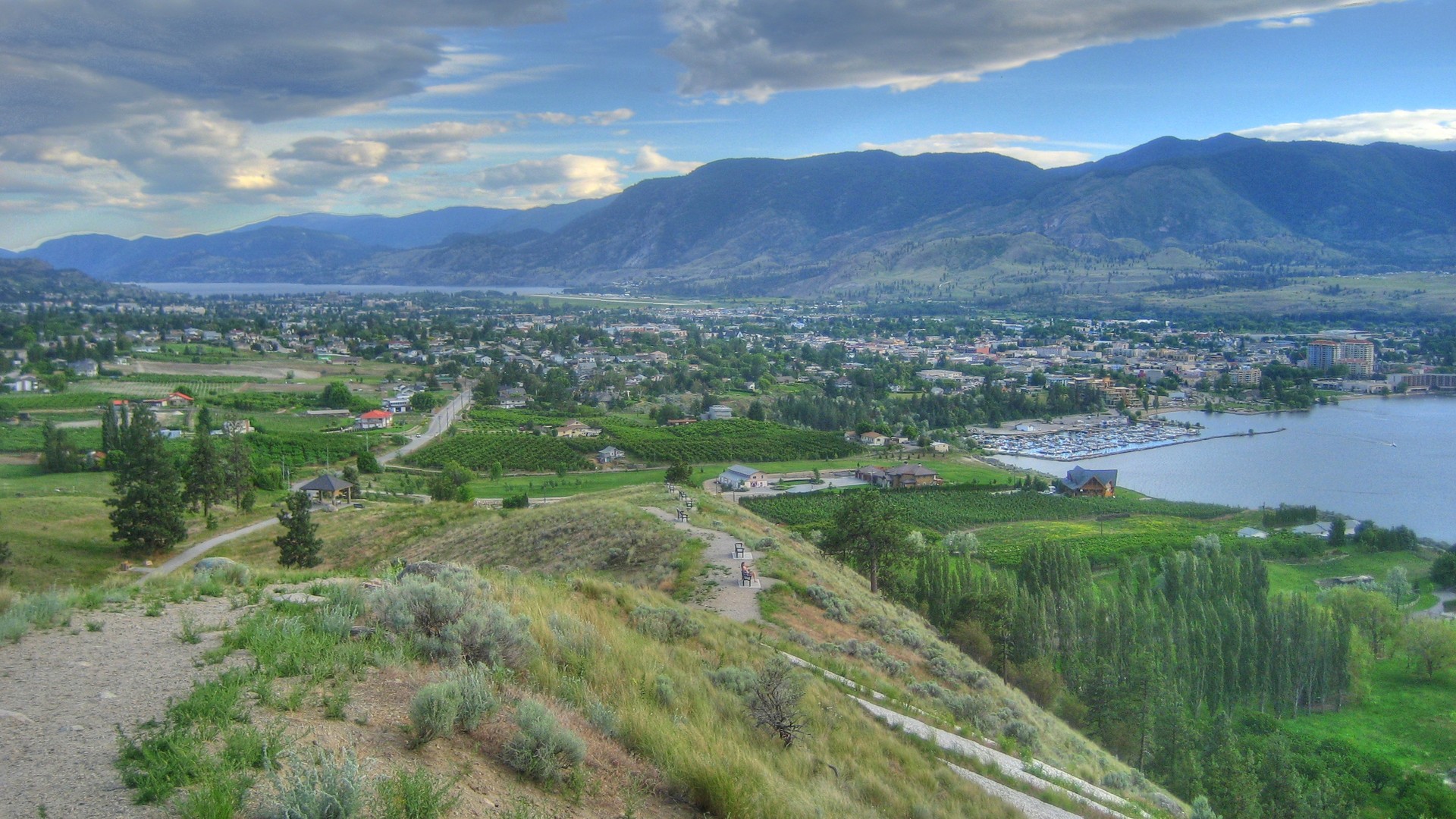
Image credit: Kyle Pearce, Wikimedia Commons, CC BY-SA 2.0. Representative Penticton community photograph; not a current construction site or specific listing.
Turn the information into your next step
Choose the path that matches the decision you are making now.
Planning a Penticton move? Explore Rico’s Penticton real estate guidance and current listings.