
The laundry room can look perfect in listing photos and still make an ordinary week harder. The machines may be new, the counter may be spotless, and the door may hide everything from the main living area. None of that tells you what it feels like to carry a full basket from the bedrooms, sort clothes, hang wet items and put everything away.
This is a small detail until you repeat it several times a week. A basement laundry may work well for an active household that wants noise and clutter away from the bedrooms. The same setup may be a poor fit for someone planning a retirement move, managing mobility limits or doing several loads for a family. The useful question is not whether the laundry room is attractive. It is whether the whole route works for your life.
At a glance: walk one loaded-basket route from the bedrooms to the machines and back. Count the stairs, doors and tight turns. Then check where you would sort, dry, fold and store the things that do not go in the dryer.
LAUNDRY-ROUTE CHECK
Carry something through the route
Start where dirty clothes collect. That may be the primary bedroom, a child’s room, a bathroom hamper or a mudroom after sports and outdoor work. Pick up an empty basket or hold your arms as if one were full. Walk all the way to the washer, then continue to the place where clean clothes would be folded and put away.
A floor plan can make this route look shorter than it feels. One flight of stairs may include a narrow landing, a door that swings into your path and a turn where the basket blocks your view. A compact condo may have no stairs but require you to move a hamper past the kitchen or through the main sitting area. A rural home may have generous utility space in the basement but a long route from upstairs bedrooms.
Do not rush the test. Notice whether one hand can stay free for a railing and whether you can see the next step while carrying something. Canada’s public-health guidance says stairs should be well lit, free of clutter and equipped with solid handrails; it also advises against rushing on stairs.1 This showing exercise is not a safety inspection, but it can reveal which routes deserve a closer look.
LAUNDRY-ROUTE CHECK
Count doors, turns and level changes
Write down three simple numbers: the doors you must open, the tight turns you must make and the level changes between the main hamper and the machines. The point is not to find a home with zero movement. It is to compare the routine honestly.
Try each door as it is meant to work. Does the laundry-room door collide with an appliance door? Can the washer open while someone passes behind you? Is there a landing where you can set down a basket without blocking the stair or doorway? In a townhouse, does laundry on the upper floor save a daily trip, or does the closet feel too tight to sort and hang clothes?
The route matters in both directions. Wet bedding is heavier and less tidy than an empty basket. Clean clothes need to return to bedrooms and closets. If the home has a drying rack, outdoor clothesline or utility sink, include those stops. A route that works for one small load may feel different with sheets, towels or winter gear.
LAUNDRY-ROUTE CHECK
Check the work around the machines
A washer and dryer are only two parts of the job. Look for a place to set the basket, separate colours, treat a stain, hang something delicate and fold a large item. Open cabinets carefully and notice whether the shelves are reachable without standing in the doorway or leaning over an appliance.
CMHC’s FlexHousing checklist recommends clear floor space in front of laundry appliances, task lighting and controls that are easy to reach and operate.2 Those are planning principles, not a claim that every resale home must match the checklist. They give you useful prompts: can you stand in front of both machines, see what you are doing and reach the controls without an awkward stretch?
Look above and beside the machines. A deep shelf can hold supplies but may be difficult for a shorter person to reach. A counter can be useful, but only if it does not cover access a technician would need. If the room also contains a furnace, water heater, electrical panel or plumbing shutoffs, do not assume open floor space is available for storage. Ask the appropriate inspector or contractor about service clearance and changes before planning a renovation.
LAUNDRY-ROUTE CHECK
Follow the air, water and noise
Use your senses without pretending they provide a diagnosis. Notice whether the room feels damp or smells strongly of fragrance, mildew or stored chemicals. Look for visible staining, loose hoses, damaged flooring or a blocked vent area. Listen to a normal appliance cycle if the seller has authorized it, but do not operate equipment without permission.
A laundry closet near a bedroom may save steps while making appliance sound more noticeable. Basement machines may keep noise away from sleeping areas but add stairs. A mudroom setup may handle dirty work clothes well, yet compete with boots, pet supplies and the everyday entrance. There is no universally best location.
Ask what is included in the sale and whether the machines are working as represented. Confirm the age and maintenance information if available. A showing cannot establish appliance condition, drainage, ventilation, electrical capacity or whether an alteration was permitted. Keep those questions for the documents, inspection and qualified trades when they matter to the purchase.
LAUNDRY-ROUTE CHECK
Picture the hardest normal load
Do not test the route with the easiest item. Picture the load that will challenge the layout: king-size bedding, towels after lake days, muddy clothes from an acreage, pet blankets, hockey gear or several loads after family visits.
South Okanagan and Similkameen homes support different routines. A Penticton condo buyer may care about in-suite machines, drying space and whether laundry can run without taking over the living room. A family in Summerland or Oliver may need room for school clothes, sports gear and outdoor work. A rural Princeton, Keremeos or Hedley buyer may value a utility sink and a route that keeps dust and mud near an exterior entrance. These are examples, not claims about everyone in those communities.
Think through one week, not one staged afternoon. Where do hampers sit? Where do damp swimsuits go? Can a drying rack stay open without blocking a door? Does clean laundry have a natural return route, or will baskets live in the hallway because putting things away takes too many steps?
LAUNDRY-ROUTE CHECK
Decide whether the layout can age with you
A buyer does not need to predict every future health change. It is still reasonable to ask whether a daily route will remain comfortable if carrying, balance or stamina changes. The Public Health Agency of Canada uses a one-floor laundry addition as an example of a home adaptation that supported everyday independence.1 CMHC’s FlexHousing checklist likewise places laundry on the main or upper floor near bathrooms and bedrooms in a multi-level home and suggests planning for possible future relocation when laundry begins in a basement.2
That does not make basement laundry automatically wrong. The better question is what would need to change if stairs became difficult. Is there a closet, mudroom or spare area where laundry could be added later? Are plumbing and electrical changes plausible? Only a qualified contractor and the relevant authority can answer that for a particular home.
For a retirement move, compare the route with the one you have now. A smaller home is not always easier if the chores are split across more levels. For a growing family, upper-floor laundry may reduce carrying but place machine noise close to sleeping rooms. Name the trade-off before deciding.
LAUNDRY-ROUTE CHECK
What this means for you
Families
Walk the route with sheets, towels and sports gear in mind. Check whether sorting and drying can happen without blocking the kitchen, hallway or everyday entrance.
Retirees and long-term planners
Count the stairs and ask what a future one-floor setup would require. A smaller floor area does not guarantee an easier routine.
Condo and townhouse buyers
Test appliance-door clearance, drying space and sound near bedrooms. Confirm what the strata documents say about alterations, vents and common property before assuming the setup can change.
Sellers
Clear the route, remove overflowing supplies and show the usable work area. Do not hide a practical limitation. Help buyers understand where hampers, drying racks and folded clothes can go.
LAUNDRY-ROUTE CHECK
Use this showing checklist
- Start at the main bedroom or hamper location.
- Carry an empty basket to the washer and back.
- Count stairs, doors, tight turns and level changes.
- Check whether one hand can remain free on stairs.
- Open appliance and room doors to look for collisions.
- Find space to sort, hang, fold and set down a basket.
- Check task lighting, reach and clear floor space.
- Picture the hardest normal load your household creates.
- Ask what is included and save technical questions for the right professional.
Put the notes beside your kitchen, entryway, storage and bedroom observations. A beautiful room can still sit in the wrong place. A plain utility room can work exceptionally well when the route is short, the lighting is good and the chores stay out of everyone’s way.
LAUNDRY-ROUTE CHECK
Rico’s showing habit: walk the boring route
Buyers naturally spend time in the kitchen, living room and primary bedroom. I like to walk one boring route before we leave. Laundry is useful because it connects several parts of the home: bedrooms, stairs, storage, noise, lighting and the way a household moves.
I am not looking for a perfect laundry room. I am looking for friction. One awkward door may be easy to change. A narrow stair between every bedroom and the machines may be a bigger daily compromise. The point is to notice the difference before the layout becomes your routine.
Sellers can use the same walk. Carry a basket from the bedroom to the machines and remove anything that makes the route look harder than it is. Leave enough open space for buyers to see the floor, appliance doors and work surface. If laundry is shared with a mudroom or mechanical area, make each function clear instead of filling every shelf.
Book a free consultation. If you are comparing South Okanagan or Similkameen homes, I will help you test the daily routes that listing photos and room dimensions do not show.
General information only. This showing exercise is not a home inspection, accessibility assessment, code review, appliance test or renovation opinion. Use current property documents and qualified professionals for property-specific conclusions.
Sources
- Public Health Agency of Canada — The Safe Living Guide
- CMHC — FlexHousing Checklist
- Pexels — Neat Laundry Room by Ron Lach
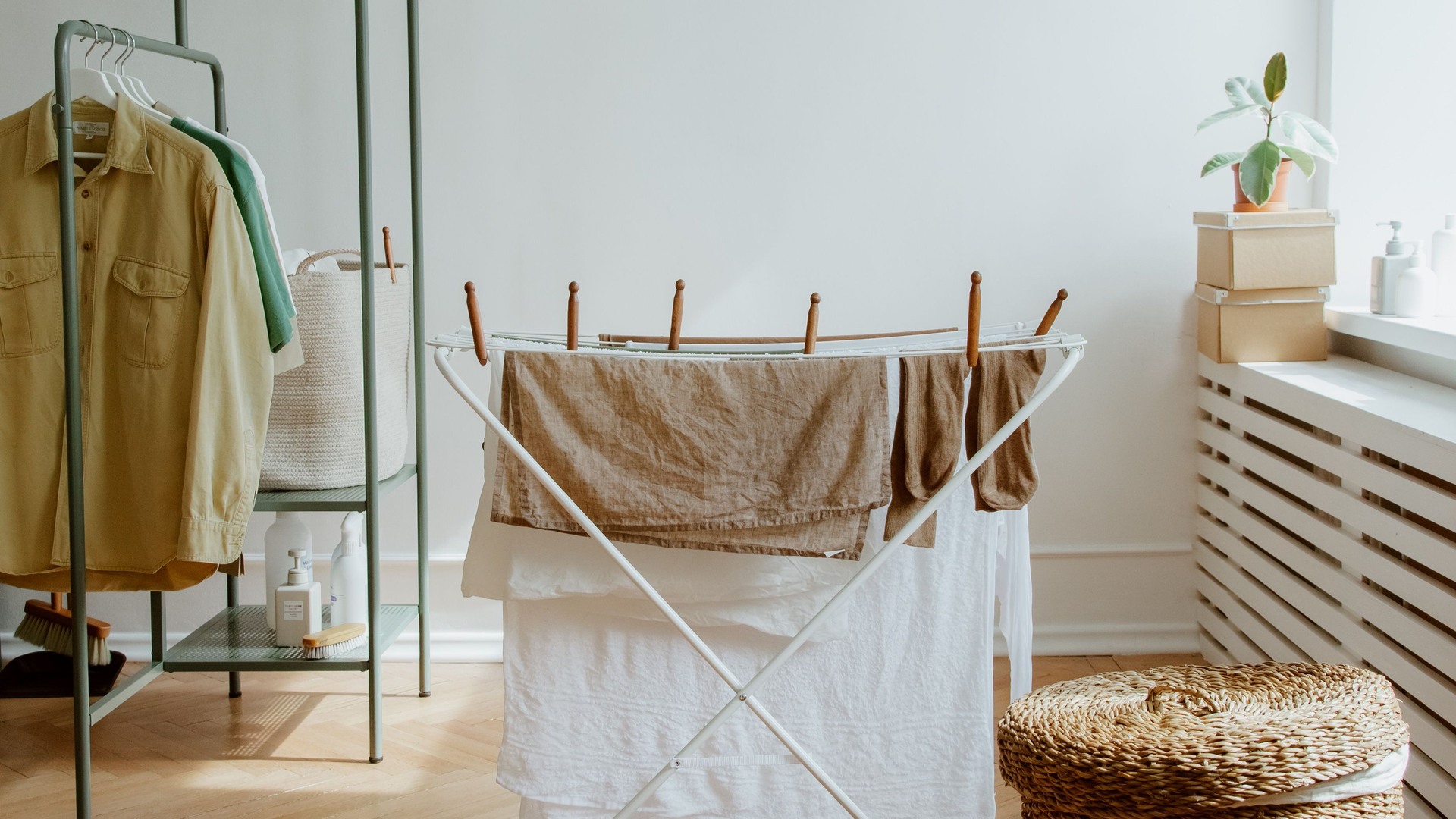
Image credit: Ron Lach via Pexels. Authentic August 2021 photograph of a wicker laundry basket and clothes drying in a sunlit interior. Representative context only; not a South Okanagan or Similkameen property or listing. Cropped to 1,920 × 1,080; no synthetic elements added.
Turn the information into your next step
Choose the path that matches the decision you are making now.
Planning a Penticton move? Explore Rico’s Penticton real estate guidance and current listings.