
A front entrance can look perfect for ten minutes and still become the most frustrating part of the house by Tuesday morning.
Picture two people arriving with grocery bags while a dog circles the door. Add wet shoes, a school backpack, a purse, keys and one bulky jacket. In summer, swap the wet shoes for sandals, lake towels and a paddleboard bag. In winter, add boots and a coat that needs somewhere to dry. The staged entry may have one tasteful bench and nothing on the hooks, but your household will bring its whole routine through that door.
Before you leave a home showing, walk through the entrance one more time. Do it slowly. Open the door, close it behind you and imagine what is in your hands on an ordinary day. This is not a design test. It is a check of whether the home’s arrival path works for the way you actually live.
CMHC’s resale-condominium checklist asks buyers to look beyond the unit and review access, parking, lockers, lighting, exterior doors and the condition of common routes.12 Its accessibility guidance also points to clear travel paths and a bench where someone can set down a heavy item or sit while putting on shoes.4 Those details are useful in every property type, from a downtown Penticton condo to a rural home outside Keremeos.
At a glance: Follow one route, test three pressure points and write one exact note: where you park, what happens at the door, and where the everyday gear goes.24
HOME COMFORT CHECK
Start where you would actually park
The entry test begins before the front door.
If the property has a driveway, park in the space you would normally use if the showing instructions allow it. Notice the grade, the walking surface and whether another vehicle would block the route. If you are viewing a townhouse or condo, find the assigned stall rather than judging the entrance from visitor parking. For a rural or acreage property, look at the route from the regular parking area during rain, snow and darkness, not only on a dry afternoon.
Walk the path with your hands held as though you were carrying bags. Where would you set something down to find a key? Can the door open fully without pushing you toward a step, railing, planter or parked vehicle? Is the exterior light positioned over the lock, or behind you where your body would cast a shadow?
CMHC’s physical checklist tells condo buyers to look at roadway, sidewalk and parking condition, standing water, lighting and winter snow or ice removal.2 A short showing cannot tell you how the property performs through every season. It can reveal whether the route deserves a second visit, a document question or a closer inspection.
For a hillside home, ask where snow gets piled and whether the shaded approach stays icy. For a home with a carport or detached garage, walk the route between vehicle and kitchen. For a condo, confirm whether the stall and locker are owned, limited common property, assigned for use or rented separately. The practical value of “parking and storage included” depends on what is included and where it is.
HOME COMFORT CHECK
Pause with the exterior door open
Most people step inside too quickly during a showing. Pause at the threshold.
Does the door have enough room to swing while someone stands inside? If a screen or storm door is present, can you manage both doors with a bag in one hand? Is there a landing, or do you step directly onto stairs? Can a child, older visitor or person using a walker stop safely before the next movement?
CMHC recommends clear paths around entrances and notes that a bench can provide a place to set heavy items or sit while putting on shoes.4 This does not mean every entrance needs a built-in mudroom. A small condo entry can work well with a clear floor area, a shallow cabinet and hooks. A large foyer can work badly if every route crosses the door swing.
Check the handle and lock without forcing anything. Notice whether the door closes and latches normally. Look at the threshold, weatherstripping and adjacent flooring. Natural Resources Canada identifies the threshold and the top and sides of an exterior-door frame as common places where weatherstripping helps control air leakage.5 A worn seal is not a diagnosis of the whole house, but visible wear, daylight or moving air is worth noting for the inspection.
Do not let a fresh doormat hide the transition. A raised threshold, curled mat or abrupt step may be easy for you and difficult for someone else in the household. The question is not whether the entrance meets an accessibility label. The question is who needs to use it every day and what adaptations might be required.
HOME COMFORT CHECK
Find the real drop zone
Now imagine everything that arrives with you.
Where do keys go without ending up on the kitchen counter? Where does mail land? Is there room for the number of coats your household uses in January? Can wet boots sit somewhere without blocking the hall? If you have a dog, where are the leash, towel and food delivery kept? If you cycle, ski, golf, camp or spend weekends at the lake, which items belong near the door and which need a garage, locker or shed?
Open closets only when the showing allows it. Look past the number of doors and consider usable dimensions. A closet with a deep return behind the wall can be awkward to reach. A shallow closet may hold jackets but not a vacuum or sports gear. High shelves can add volume without helping the person who needs daily access. If the current occupants have removed most of their belongings, mentally put yours back.
Storage should follow frequency. Daily shoes and coats need the easiest spots. Seasonal tires, holiday boxes and camping gear can live farther away. Cleaning supplies need an appropriate, secure place. A beautiful bank of cabinets is useful only if the doors open fully and the shelves suit the things you own.
In a condo, visit the locker if possible. CMHC’s checklist specifically calls for common locker facilities to be well lit, clean and dry.2 Confirm its location, dimensions, access route and any restrictions. A locker across a garage may be fine for skis and bins but inconvenient for a stroller used twice a day. If the locker is shown only on a plan or listing sheet, make its physical verification part of your follow-up.
HOME COMFORT CHECK
Walk the grocery route to the kitchen
The front entrance may not be the household’s everyday entrance.
Many detached-home owners come through the garage, carport or side door. Some townhouse residents enter from an underground garage and climb stairs. A rural household may use a mudroom near the driveway while guests use a formal front door. Walk the route you would use most.
Count the doors, turns and level changes between the parking spot and the kitchen. Notice narrow corners where grocery bags would strike a wall. Check whether the garage door opens into a landing or directly onto stairs. Ask where a stroller, wagon or mobility aid would stay without blocking the route. If laundry shares the entry, picture a basket on the floor while people are coming and going.
This route can also reveal how the layout handles noise and clutter. An entry directly into the main living area may feel open, but there may be no visual pause between outdoor gear and the sofa. A separate mudroom can contain the mess, although it may add another door and reduce natural light. Neither layout is automatically better. The right choice depends on whether your household values openness, separation or easy cleanup.
Sellers can make this route easier to understand without disguising it. Clear the path, remove excess shoes, make sure the light works and show the purpose of each storage area. Do not empty every closet so completely that the home looks artificial. Buyers need enough room to see dimensions, doors and shelves.
HOME COMFORT CHECK
Test pets, children and changing mobility
An entrance has to work on the busiest day, not only when one adult walks through alone.
For a family, imagine a child stopping to remove shoes while another person opens the door. Is there a safe place to stand away from stairs? Can backpacks hang at a reachable height? Is the path from the door to the yard simple enough for the household’s routine?
For pets, check how the door relates to the street, driveway, neighbours and fenced area. A door that opens directly toward a busy road may require a gate or a different pet routine. In a strata, confirm pet and common-area rules from current documents rather than assuming the listing description is complete.
For downsizers, think ahead without turning the showing into a medical assessment. Is there a place to sit? Is the lighting good? Are the handle, lock and threshold easy for the intended occupants? Can someone enter from parking without climbing a full flight of stairs? CMHC’s accessibility guidance recommends reducing clutter, keeping clear paths and allowing extra manoeuvring room near doors and the ends of halls.4
Small changes can improve some entrances. Hooks can be lowered. A bench can be added. A lever handle may be easier to use. Other limitations are harder to change, including a narrow shared corridor, steep exterior stairs, a tight landing or a parking stall far from the elevator. Separate the easy fixes from the permanent layout before you decide the home fits.
HOME COMFORT CHECK
What this means for you
Buyers
Walk one complete arrival route before leaving. Record the exact friction point, then decide whether it needs a second visit, measurement, document check or inspection question.
Sellers
Clear and light the route your household actually uses. Show where coats, shoes, keys, groceries and seasonal gear belong without hiding defects or cramming everything into one locked room.
Condo and townhouse buyers
Verify the assigned stall, locker, elevator or stair route and the legal or strata description of each space. Convenience depends on location and access, not only on the word “included.”
Downsizers and multigenerational households
Test the entrance for the person with the most limited reach or mobility. A manageable threshold, resting place and clear route may matter more than a large formal foyer.
HOME COMFORT CHECK
Turn the walk-through into seven useful questions
A good showing note is specific. “Entry too small” is hard to investigate. “Garage door opens onto two steps with no landing for grocery bags” gives everyone something concrete to discuss.
- Which entrance would we use most, and how do we reach it from our usual parking space?
- Where would daily shoes, coats, keys, bags and pet gear go?
- Where would seasonal equipment, tires, tools, a stroller or mobility aid be stored?
- Do the exterior door, lock, latch, threshold, weatherstripping and nearby flooring need closer inspection?
- For a strata property, what do the current documents say about the stall, locker, bike room, pets and common access routes?
- Would a bench, hooks or shallow cabinet solve the problem, or is the limitation part of the permanent layout?
- Should we revisit at a different time of day or in different weather to understand lighting, traffic, snow, drainage or shared access?
CMHC recommends a professional home inspection when buying a resale condominium and advises reviewing the building, common property, technical information and purchase inclusions.1 Use the entry test to identify where that review should pay attention. It does not replace the inspection or the strata-document and title review.
If a measurement matters, take it with permission. Measure the stroller, mobility device, sports equipment or storage bins you already own before comparing them with the space. For parking, use the actual vehicle dimensions and consider door opening, mirrors, charging needs and clearance around columns. Do not rely on a wide-angle photograph.
HOME COMFORT CHECK
What the test cannot tell you
A tidy entry does not prove the home has enough storage. A crowded entry does not prove it lacks storage. The occupants may have different routines, more belongings or a temporary reason for the clutter.
You also cannot confirm drainage, winter maintenance, security, air leakage or strata rights from one walk-through. Dry weather may hide standing water. Daylight may hide poor exterior lighting. An unlocked locker during a showing does not establish ownership. A door that closes smoothly once may behave differently in another season.
Keep appearance and evidence separate. Staging shows one possible arrangement. Measurements show what fits. Documents show legal rights and responsibilities. Inspection addresses visible physical condition. A return visit can show how the route feels with different light, traffic or weather.
The entry test is valuable because it turns a vague reaction into a practical follow-up. You are not deciding that the house is wrong because the shoes have nowhere to go. You are finding out whether the routine works as-is, needs a reasonable change or conflicts with something the household cannot compromise on.
HOME COMFORT CHECK
Rico’s showing habit: leave through your everyday door
Before the showing ends, do not make the final decision from the best room in the house. Leave through the entrance you would use on an ordinary day.
Walk from the kitchen to that door. Pause where you would put on shoes. Look for the keys, the bags and the dog leash. Follow the path to the parking spot. If something feels awkward, write down the exact movement that caused it.
A house does not need a magazine mudroom to work well. It needs an arrival route that makes sense for the people who will live there. Five honest minutes at the door can tell you which questions to ask before the first impression turns into a commitment.
Send Rico the listing and build a daily-routine showing checklist
If seasonal comfort is also on your list, use the one-minute cold-room test during a home showing on the room you expect to use most.
This article provides general real estate information, not an inspection, accessibility assessment, legal opinion or guarantee of property condition. Property features, ownership rights and household needs vary. Use qualified inspectors and legal or strata professionals for advice about a specific purchase.
Sources
- CMHC — Checklist for buying a resale condominium
- CMHC — Physical evaluation checklist for resale units
- Pexels — Modern Minimalist Home Entryway with Shelving by Алан Албегов
- CMHC — Low- and no-cost modifications for accessibility
- Natural Resources Canada — Upgrading windows and exterior doors
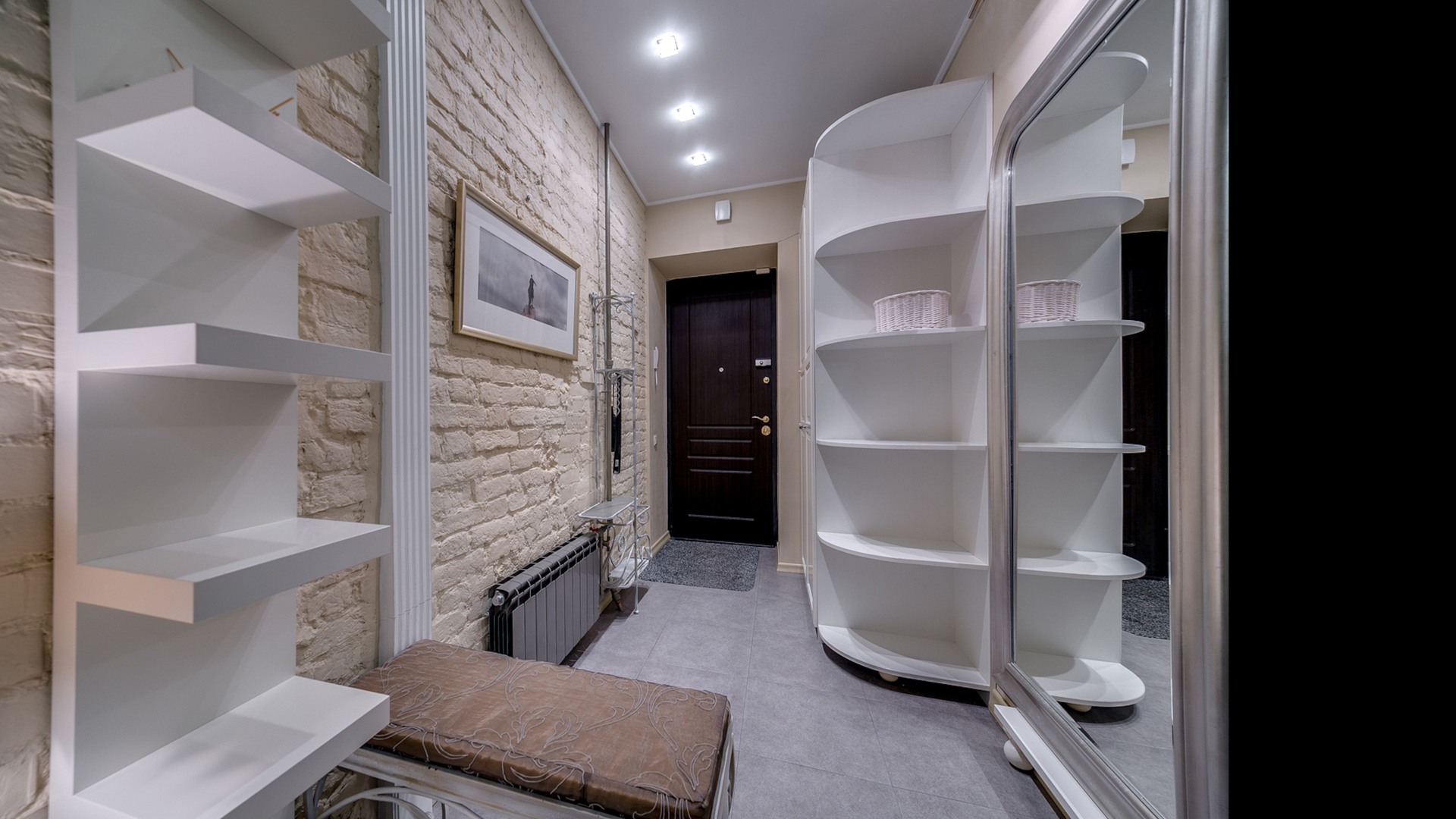
Image credit: Алан Албегов via Pexels. Stock photograph of an entry hall with a dark exterior door, white shelving, mirrored wardrobe, bench and tiled floor. Representative context only; not a South Okanagan or Similkameen property or listing. Cropped to 1,920 × 1,080; no synthetic elements added.
Turn the information into your next step
Choose the path that matches the decision you are making now.
Planning a Penticton move? Explore Rico’s Penticton real estate guidance and current listings.