
A strata home can look simple on a listing: price, monthly fee, bedrooms, parking and perhaps a lake view. One less-visible number can materially change the risk—the strata corporation’s insurance deductible.
The Province says strata deductibles can range from $100,000 to $750,000 or higher. It also warns that an owner can be required to pay the corporation’s deductible when the owner is responsible for the loss, even without negligence.14 That does not mean every owner faces a six-figure bill after every leak. It means buyers and current owners should read the actual insurance summary, bylaws and unit policy instead of assuming the building’s master policy settles everything.
The useful question is not, “Does the strata have insurance?” B.C. strata corporations must carry specified property and liability insurance. The useful questions are: What does that policy insure, what are the deductibles for different causes of loss, and how would my own policy respond?24
The master policy and the owner policy cover different risks. Match the current documents before removing an insurance condition.
REAL ESTATE DECISION
Two insurance layers protect different things
The strata corporation’s policy and the owner’s policy are not interchangeable.
Under the Strata Property Act, the corporation must insure common property, common assets, buildings shown on the strata plan and certain original fixtures installed by the owner-developer. The required property insurance must generally be for full replacement value and cover the major perils prescribed by regulation.2
That master policy does not replace a unit-owner policy. The Province identifies personal contents, personal liability, additional living expenses, improvements or “betterments,” and certain deductible exposure among the needs an owner may address through separate insurance.1 A landlord’s needs can differ again because tenant occupancy, lost rent and liability may require landlord-specific terms.
This is why “the building is insured” is incomplete. A master policy can protect the strata corporation while leaving an owner exposed for belongings, temporary accommodation, improvements, exclusions, limits or a deductible amount that the owner’s policy does not fully match.
Ask a knowledgeable insurance broker to compare the current strata insurance summary with the proposed unit-owner or landlord policy. Do not compare only the premiums. Compare the wording, limits, deductibles, exclusions and how the policies interact after a covered loss.
REAL ESTATE DECISION
A $100,000 deductible is not the same as a $100,000 repair
A deductible is the amount that must be absorbed before insurance responds to an insured claim. A strata policy can have different deductibles for water damage, sewer backup, earthquake and other perils. The Province gives a current general range of $100,000 to $750,000 or higher, depending in part on the property and claims history.14
That headline range should not be copied onto a specific building. One South Okanagan strata may have a lower deductible for one peril and a materially higher amount for another. Another may have exclusions or optional coverage that changes the analysis. Earthquake deductibles may be expressed as a percentage of the building’s full replacement value rather than a fixed dollar amount.4
The scale matters because an owner’s policy may have a stated limit for loss assessment or strata-deductible coverage. A policy that once seemed adequate can become mismatched after the corporation renews with a larger deductible. The Strata Property Act requires the corporation to inform owners and tenants as soon as feasible about a material insurance change, including an increased deductible.2
Owners should treat that notice as an action item, not meeting paperwork. Send the updated summary to the broker and ask for written confirmation of how the unit policy responds. A verbal “you should be fine” is not a substitute for understanding the actual limit and terms.
REAL ESTATE DECISION
Responsibility is not always the same as negligence
Section 158 of the Strata Property Act starts with the deductible as a common expense. It then preserves the corporation’s ability to sue an owner to recover the deductible when the owner is responsible for the loss or damage that produced the claim.2
The Province’s consumer guidance makes the practical point sharper: an owner can be considered responsible even when the owner was not negligent or “at fault.” It gives the example of a dishwasher hose that breaks prematurely, causing water damage to common property and other strata lots.1
This area depends on the facts, the legislation, the strata’s bylaws, the insurance policies and current legal interpretation. A buyer should not conclude from one example that every leak produces an owner chargeback. A seller should not promise that the building’s policy removes the risk. An owner facing a real demand should obtain legal and insurance advice about the actual event and documents.
Prevention still matters. Replacing aging supply hoses, knowing shut-off locations, responding quickly to moisture, following bylaws for alterations and notifying the insurer about occupancy changes can reduce practical risk. Those steps do not rewrite the policy or decide legal responsibility, but they are better than discovering the insurance structure after damage occurs.
REAL ESTATE DECISION
The Form B is the starting point, not the finish line
A current Form B: Information Certificate discloses information about a strata lot and corporation. The Province says an owner, purchaser or authorized person can request one and the corporation must provide it within seven days. The information must be current to the date on the form.3
The Form B must include a summary of the corporation’s insurance coverage. Since 2023, the current form also requires that insurance summary, while other required information includes monthly strata fees, approved special levies, the contingency reserve balance, certain proceedings, outstanding notices or work orders, and parking and storage details.3
For an insurance review, locate more than the word “insured.” Identify:
- the current policy period;
- the insured replacement value;
- each listed deductible, not only the base deductible;
- material exclusions or optional coverage;
- recent notices of changes;
- claims or water-loss discussion in available minutes;
- relevant deductible or chargeback bylaws; and
- whether the unit policy available to the buyer matches the current corporation summary.
A current Form B is time-sensitive evidence, not a permanent answer. If the closing date is months away, ask whether the strata policy will renew before completion. If a material change arrives after document review, send it back to the insurer, lawyer or notary and other appropriate professionals rather than relying on the earlier package.
REAL ESTATE DECISION
Low strata fees do not prove low insurance risk
Monthly fees are easy to compare because they appear on listings. Deductibles, exclusions and renewal changes can be less visible. A low monthly fee does not prove that the corporation has a favourable claims history, sufficient maintenance planning or deductible levels that fit an owner’s policy.
Likewise, a high fee does not by itself prove poor management. Fees may reflect amenities, utilities, staffing, planned maintenance, insurance premiums and contributions to the contingency reserve fund. Buyers need the budget, financial statements, minutes, depreciation report where required, insurance summary and property-specific documents to understand the complete picture.
The Province notes that timely repair and maintenance can help prevent insurance losses and keep deductibles as low as possible. It also requires annual review of the corporation’s insurance and reporting at the annual general meeting.12 Look for evidence that council treats insurance, maintenance and claims as connected responsibilities—not isolated annual invoices.
For sellers, obtaining the current package early can prevent a surprise late in the transaction. If the deductible increased, give the buyer the current document rather than relying on last year’s summary. Clear disclosure does not make the number disappear, but it gives the buyer time to obtain a real insurance quotation and professional advice.
REAL ESTATE DECISION
What this means for you
Buyers
Make insurability and deductible matching part of due diligence. Give the current insurance summary and relevant bylaws to a knowledgeable broker before removing an insurance condition. Ask how the proposed policy responds to the largest relevant deductible, additional living expenses, improvements, liability, water damage, sewer backup, vacancy and rental use where applicable.
Sellers
Gather the current Form B, insurance summary, recent change notices and relevant bylaws early. Do not describe the corporation’s policy as complete protection for the buyer. If renewal occurs during the listing period, replace stale documents promptly and disclose the current terms through the proper transaction process.
Homeowners
Recheck the corporation’s summary against your own policy every year and whenever a material-change notice arrives. Keep occupancy, rental use, renovations and extended absences accurate with the insurer. A policy limit chosen years ago may not match today’s deductible.
Investors and landlords
Confirm landlord coverage, tenant requirements, lost-rent terms, liability and how damage caused by a tenant or visitor is treated. The corporation’s insurance and a tenant’s contents policy do not replace the owner’s landlord coverage.
REAL ESTATE DECISION
A practical seven-step insurance check
- Get the current Form B and insurance summary. Check the issue date and policy period.3
- List every deductible. Separate water, sewer backup, earthquake and other peril-specific amounts.
- Read the bylaws. Look for deductible, chargeback, maintenance, alteration and reporting provisions.
- Review recent records. Search council and general-meeting minutes for claims, leaks, renewal changes, exclusions and risk-reduction work.
- Send the package to the broker. Ask for a written quotation based on the exact property and intended occupancy.
- Compare limits, not labels. “Condo insurance” is not enough; test deductible coverage, betterments, contents, liability and additional living expenses against the actual documents.1
- Recheck before completion and at renewal. Confirm that no material change has made the earlier quotation or analysis stale.
Keep the roles clear. A REALTOR® can help organize questions and obtain documents. An insurance broker explains available coverage and policy terms. A lawyer or notary addresses legal documents within their role. A strata professional, engineer or other specialist may be needed for building-specific issues. No single listing field answers all of them.
REAL ESTATE DECISION
Rico’s view: read the biggest number before comparing the monthly fee
South Okanagan buyers often compare strata properties by asking price and monthly fee. Those numbers matter, but neither shows the full insurance structure.
A better comparison puts the largest relevant deductible beside the unit policy’s available coverage. Then it adds the bylaws, recent claims discussion, maintenance planning, contingency funding, building age and intended use. That does not predict a claim. It shows whether the buyer understands the property’s current risk-sharing system before committing.
The headline number is intentionally attention-getting because the exposure can be large: current provincial guidance places strata deductibles from $100,000 to $750,000 or higher.14 The calm response is not to avoid every strata property. It is to insist on current documents, property-specific insurance advice and enough time to resolve gaps.
Use the guided Matchmaker to organize property type, ownership and timing. If you are planning a sale, visit Sell, or contact Rico for help building a property-specific document checklist.
This article provides general real-estate information, not insurance, legal, strata-management, valuation, mortgage or financial advice. Coverage, deductibles, responsibility and recovery depend on the current documents, policies, bylaws, facts and law. Consult qualified insurance and legal professionals for the property and circumstances.
Sources
- Province of British Columbia — Strata owner and tenant insurance
- B.C. Strata Property Act, Part 9 — Insurance
- Province of British Columbia — Form B: Information Certificate
- Province of British Columbia — Insurance for strata corporations
- Wikimedia Commons — Fernie condominium photograph by Marek Ślusarczyk

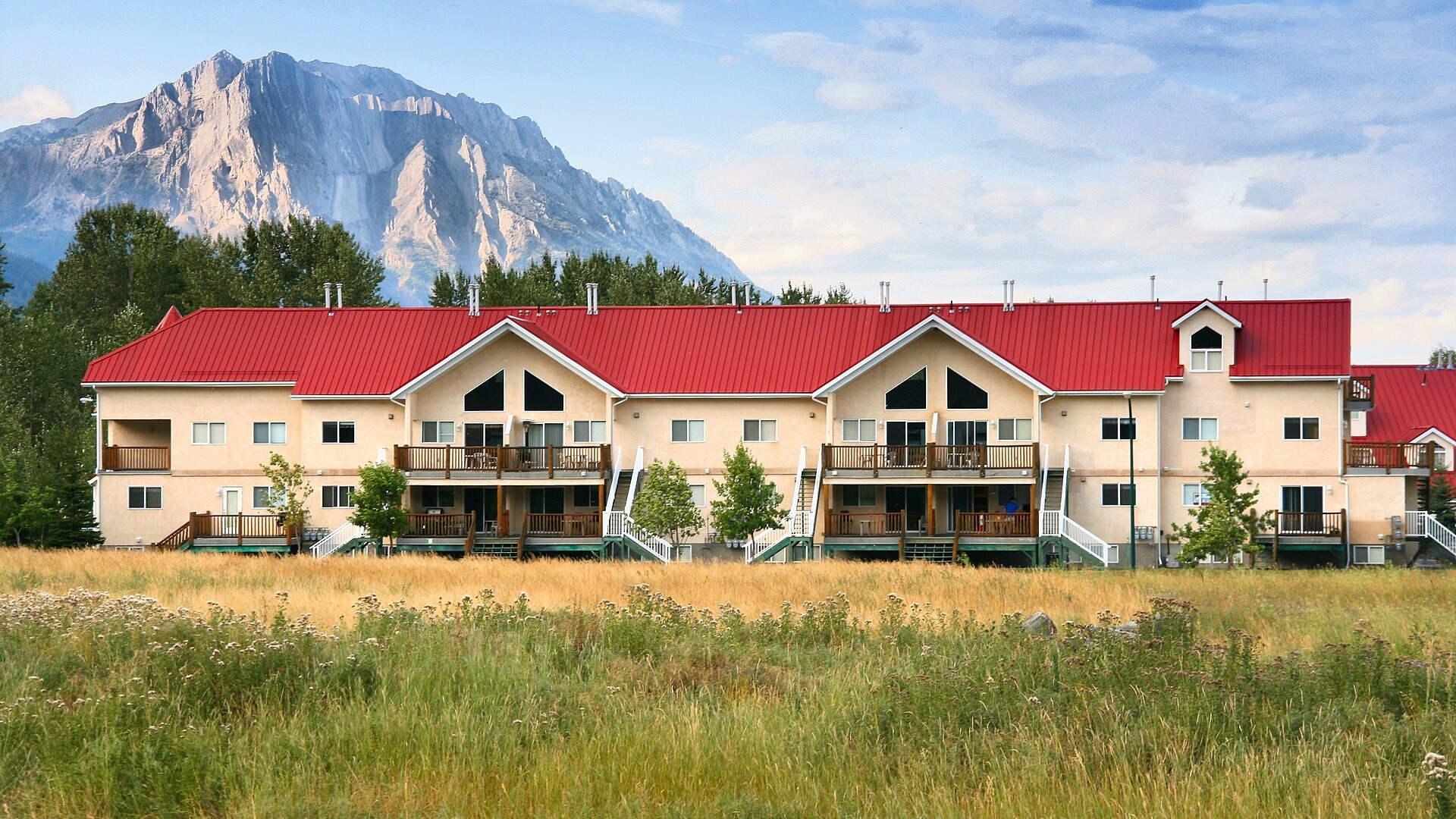
Image credit: Marek Ślusarczyk (Tupungato), Wikimedia Commons, CC BY 3.0. Authentic 2007 Fernie, B.C. condominium photograph. Representative B.C. strata context only; not a South Okanagan property, listing or building discussed in this article. Cropped to 1,920 × 1,080; no synthetic elements added.
Turn the information into your next step
Choose the path that matches the decision you are making now.
Planning a Penticton move? Explore Rico’s Penticton real estate guidance and current listings.